NASA Artemis II Moon Mission 2026: Complete Guide & Updates
🚀 NASA Artemis II Moon Mission 2026: Complete Guide
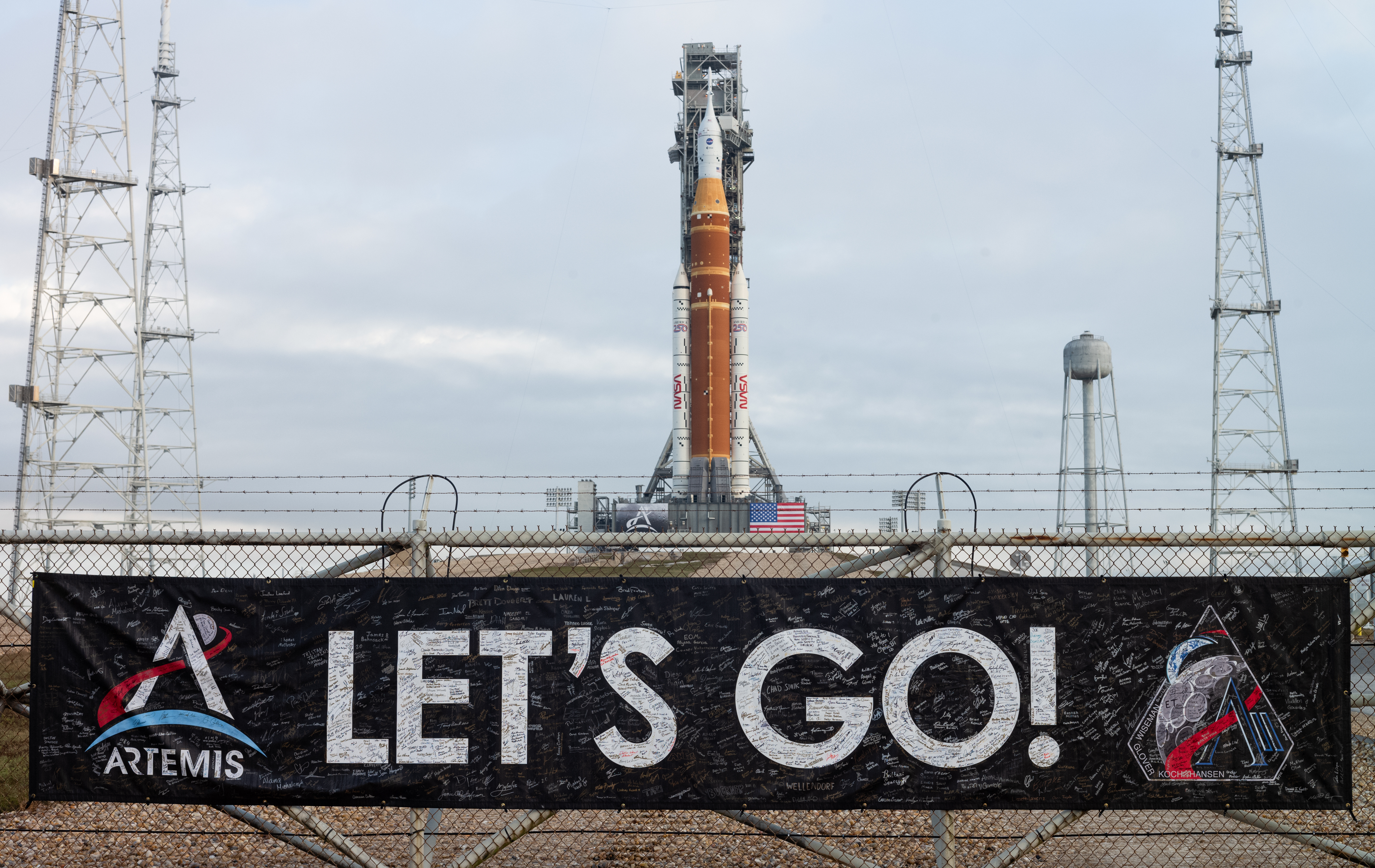
Humanity is returning to the Moon. After more than 50 years since the last Apollo mission, NASA's Artemis II is set to send four astronauts on a historic journey around our celestial neighbor in 2026. This isn't just a nostalgic trip down memory lane—it's the critical stepping stone to establishing a permanent human presence in deep space and eventually reaching Mars.
In this comprehensive guide, you'll discover everything about NASA's Artemis II mission: the pioneering crew making history, the most powerful rocket ever built, exact launch windows, the 10-day mission timeline, and why this flight matters for the future of human space exploration. Whether you're a space enthusiast or simply curious about humanity's next giant leap, this article delivers all the latest updates and insights you need.
🌕 What is NASA's Artemis II Mission?
NASA's Artemis II mission represents the first crewed lunar flight since Apollo 17 in December 1972. This groundbreaking mission will send four astronauts on an approximately 10-day journey around the Moon aboard the Orion spacecraft, powered by the colossal Space Launch System (SLS) rocket.
Unlike the Apollo missions that landed on the lunar surface, Artemis II is designed as a flyby mission—a crucial test flight that will validate all spacecraft systems in the harsh environment of deep space before attempting an actual landing. Think of it as the ultimate dress rehearsal before the main performance.
Key Mission Objective: Artemis II will test the Orion spacecraft's life support systems, navigation capabilities, communication networks, and heat shield technology at lunar distances. Every system must perform flawlessly to ensure crew safety on future landing missions.
The mission is part of NASA's broader Artemis program, which aims to establish a sustainable human presence on and around the Moon by the end of this decade. This program serves as the foundation for eventual human missions to Mars—NASA's ultimate goal for deep space exploration.
During their journey, the crew will perform a free-return trajectory—using the Moon's gravity to slingshot back toward Earth without entering lunar orbit. At their closest approach, they'll fly approximately 6,500 miles above the lunar surface, potentially traveling farther from Earth than any humans in history.
👨🚀 Meet the Historic Artemis II Crew

NASA announced the Artemis II crew on April 3, 2023, revealing a diverse team of highly experienced astronauts who will make history together. This mission represents not just a return to the Moon, but a giant leap forward in inclusive space exploration.
🎖️ Commander Reid Wiseman
Role: Mission Commander
Agency: NASA
Experience: Former Navy test pilot with over 165 days in space from his previous ISS mission
Wiseman will lead the mission, responsible for overall operations and crew safety throughout the 10-day journey.
✨ Pilot Victor Glover
Role: Pilot
Agency: NASA
Historic First: First person of color on a lunar mission
Navy commander and former SpaceX Crew-1 astronaut who spent 168 days aboard the ISS.
🌟 Christina Hammock Koch
Role: Mission Specialist
Agency: NASA
Record Holder: Longest single spaceflight by a woman (328 days)
Electrical engineer who participated in the first all-female spacewalk in 2019.
🍁 Jeremy Hansen
Role: Mission Specialist
Agency: Canadian Space Agency (CSA)
Historic First: First Canadian on a lunar mission
Former CF-18 fighter pilot bringing expertise in orbital mechanics and spacecraft operations.
This crew represents the new era of space exploration—diverse, international, and united by a common goal to push the boundaries of human achievement. Their combined experience totals over 600 days in space, countless hours of training, and an unwavering commitment to advancing our understanding of deep space environments.
Did You Know? The crew entered quarantine on January 23, 2026, in Houston, Texas, ahead of their prospective February launch. This quarantine protocol ensures they remain healthy and don't carry any illnesses to the spacecraft that could compromise the mission.
🚀 The Spacecraft: Space Launch System & Orion
Space Launch System (SLS): The Most Powerful Rocket Ever Built
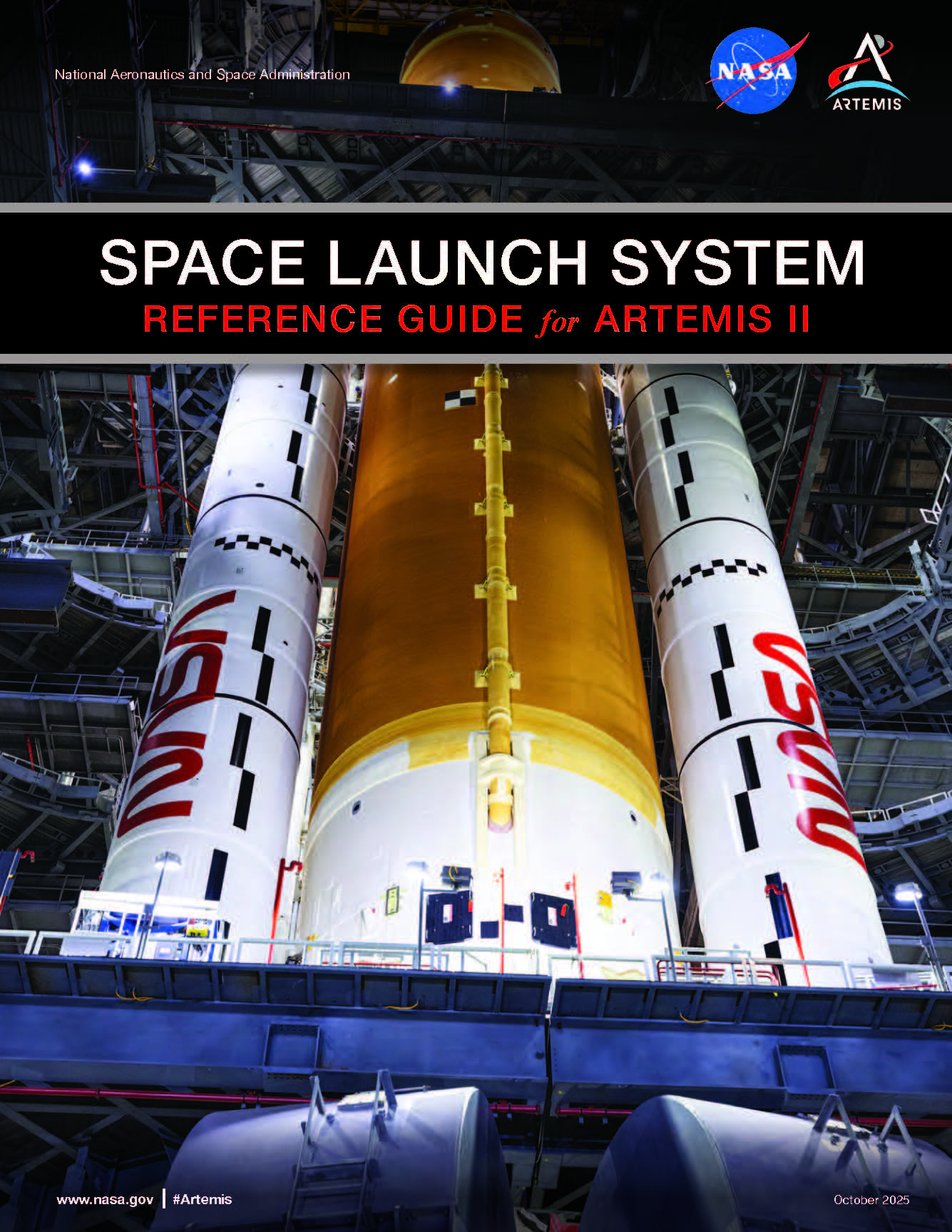
The Space Launch System is nothing short of an engineering marvel. Standing at an imposing 322 feet tall—taller than the Statue of Liberty—the SLS represents the pinnacle of rocket propulsion technology developed over decades of spaceflight experience.
Height
322 ft
Taller than Statue of Liberty
Thrust at Launch
8.8M lbs
15% more than Saturn V
Core Stage Burn
8 min
Pushes Orion to orbit
Payload Capacity
27 tons
To lunar orbit
At launch, the SLS produces 8.8 million pounds of thrust—that's approximately 15% more powerful than the legendary Saturn V rocket that sent Apollo astronauts to the Moon. To put this in perspective, it's equivalent to the power of 160,000 Corvette engines firing simultaneously.
The rocket consists of several key components:
- Twin Solid Rocket Boosters: Provide the majority of thrust during the first two minutes of flight
- Core Stage: The world's tallest rocket stage, burning liquid hydrogen and oxygen for 8 minutes
- Interim Cryogenic Propulsion Stage (ICPS): Upper stage that sends Orion on its path to the Moon
- Launch Vehicle Stage Adapter: Connects the core stage to the ICPS while protecting the spacecraft
Orion Spacecraft: Home in Deep Space
Perched atop the SLS is the Orion spacecraft—the astronauts' home for their 10-day journey. Unlike the cramped Apollo capsules of the 1960s and 70s, Orion represents cutting-edge spacecraft design with modern technology, enhanced safety features, and greater crew comfort.
Key features of the Orion spacecraft include:
- Crew Module: Pressurized cabin providing 316 cubic feet of habitable space for the four astronauts
- Advanced Life Support: Environmental control systems providing oxygen, removing carbon dioxide, and maintaining comfortable temperature and humidity
- Heat Shield: The largest of its kind ever built, capable of withstanding temperatures up to 5,000°F (half as hot as the Sun's surface) during reentry
- Service Module: Provided by the European Space Agency (ESA), this unpressurized module contains the spacecraft's propulsion, power, and thermal systems
- Launch Abort System: Critical safety feature that can pull the crew module away from the rocket in case of emergency during launch
The spacecraft is equipped with state-of-the-art avionics, redundant computer systems, and advanced communication capabilities that will keep the crew connected with mission control throughout their journey. The vehicle also features extensive radiation protection—crucial for protecting astronauts beyond Earth's magnetic field.
Technology Highlight: Orion's glass cockpit displays provide real-time data visualization on high-resolution screens, a massive upgrade from the analog switches and dials of Apollo-era spacecraft. The crew can monitor all spacecraft systems, navigation data, and life support status at a glance.
📅 Launch Timeline and Windows

The path to launch has been meticulously planned, with NASA teams working around the clock at Kennedy Space Center in Cape Canaveral, Florida. While an exact launch date hasn't been locked in, the space agency has identified specific launch windows when the orbital mechanics align perfectly for the mission.
Current Mission Status (January 2026)
As of January 27, 2026, the massive SLS rocket and Orion spacecraft are positioned on Launch Pad 39B—the same historic pad that launched many Space Shuttle missions. Engineers are preparing for a critical test called the "wet dress rehearsal," currently scheduled for as early as January 31, 2026, at 9:00 PM ET.
The wet dress rehearsal is essentially a full launch simulation where teams will:
- Load the rocket with its super-cold liquid hydrogen and liquid oxygen propellants
- Run through a complete countdown sequence
- Practice launch-day procedures without actually igniting the engines
- Identify and resolve any technical issues before the actual launch attempt
According to NASA Launch Director Charlie Blackwell-Thompson, if the wet dress rehearsal proceeds without significant issues, February launch opportunities remain achievable. However, NASA emphasizes they will "fly when ready," prioritizing mission success and crew safety over arbitrary deadlines.
Official Launch Windows
NASA has released the following launch windows for Artemis II. Each window is two hours long (except where noted), providing flexibility for countdown holds and last-minute troubleshooting:
February 2026 Windows
- February 6: 9:41 PM ET (Primary target)
- February 7: 10:46 PM ET
- February 8: 11:20 PM ET
- February 10: 12:06 AM ET
- February 11: 1:05 AM ET
March 2026 Windows
- March 6: 8:29 PM ET
- March 7: 8:57 PM ET
- March 8: 10:56 PM ET
- March 9: 11:52 PM ET
- March 11: 12:48 AM ET (1 hour 55 minutes window)
April 2026 Windows
- April 1: 6:24 PM ET
- April 3: 8:00 PM ET
- April 4: 8:53 PM ET
- April 5: 9:40 PM ET
- April 6: 10:36 PM ET
- April 30: 6:06 PM ET
Why Specific Launch Windows? Launch windows exist because the rocket must launch when Earth's rotation aligns the launch pad with the planned orbital path, the Moon is positioned correctly for the spacecraft to reach it with available fuel, and lighting conditions, communications coverage, and safety zones around the launch site meet all requirements.
If preparations extend beyond April, NASA has additional short launch windows available in subsequent months, though those dates haven't been publicly released yet. The space agency maintains flexibility in the schedule to ensure all systems are thoroughly tested and validated before committing to launch.
🛰️ The 10-Day Mission Profile

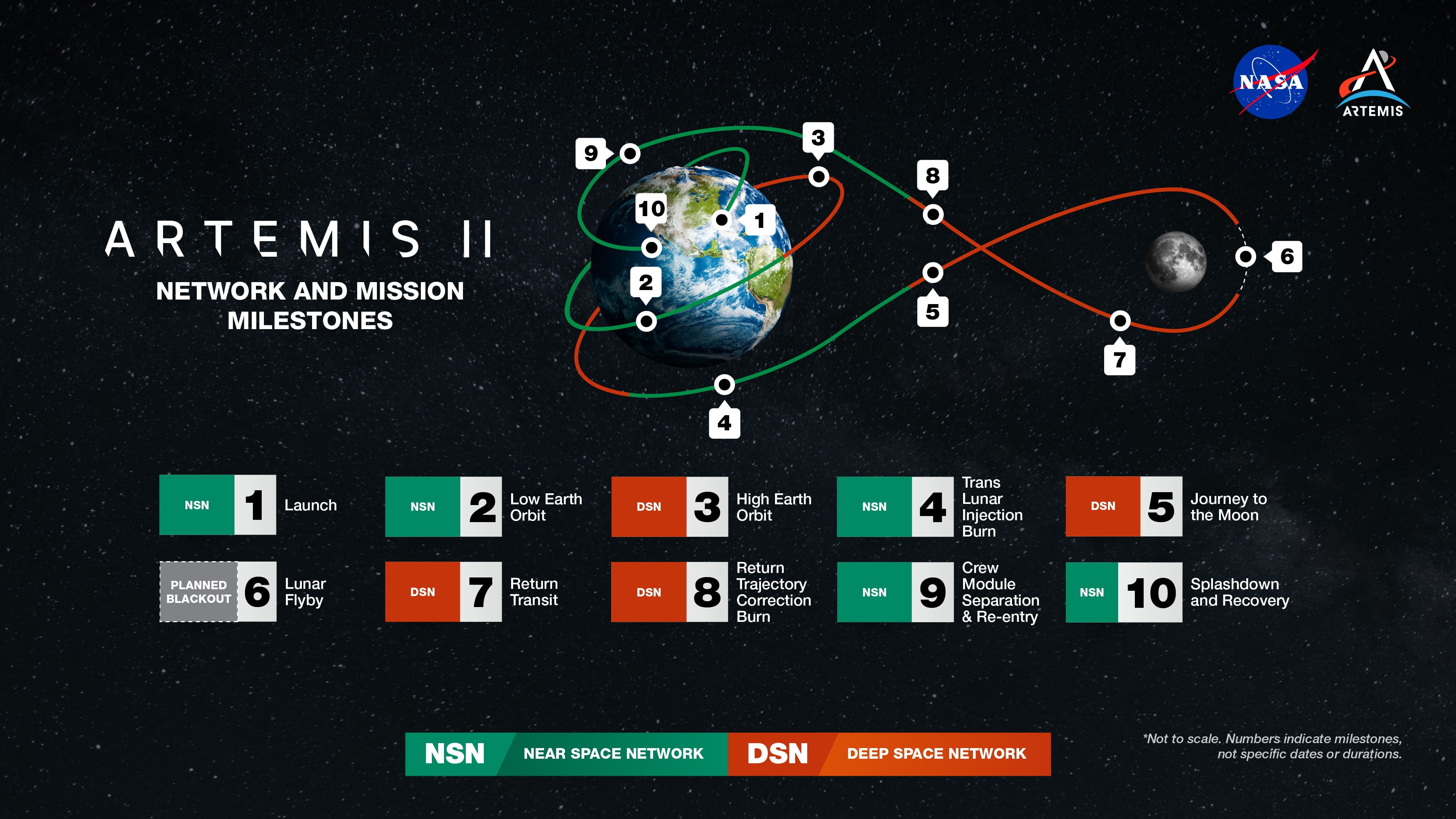
The Artemis II mission follows a carefully choreographed sequence of events spanning approximately 10 days from launch to splashdown. Here's what the crew will experience during their historic journey:
Launch Day (Day 0): Liftoff and Trans-Lunar Injection
The mission begins with the thunderous ignition of the SLS rocket. Within seconds, 8.8 million pounds of thrust will propel the spacecraft off Launch Pad 39B, accelerating the crew from zero to over 17,000 miles per hour in just eight minutes.
The solid rocket boosters burn for approximately two minutes before separating and falling back to the Atlantic Ocean. The core stage continues burning for about eight minutes total, pushing Orion into Earth orbit. After reaching a stable parking orbit, the Interim Cryogenic Propulsion Stage (ICPS) fires to perform the trans-lunar injection—the critical burn that sends Orion on its path toward the Moon.
Days 1-3: Outbound Coast to the Moon
For several days, the crew travels the approximately 240,000 miles between Earth and the Moon. During this phase, the astronauts will:
- Conduct comprehensive systems checks of all Orion spacecraft systems
- Test communication links with NASA's Deep Space Network ground stations
- Monitor life support systems including oxygen generation, carbon dioxide removal, and temperature control
- Perform navigational updates and trajectory adjustments using Orion's reaction control thrusters
- Document their experience through photos, videos, and mission logs
- Communicate with mission control in Houston and share their experience with the public
Milestone Alert: During the outbound journey, the crew will pass the altitude record currently held by Apollo 13 astronauts, potentially becoming the humans who have traveled farthest from Earth in history.
Day 4-5: Lunar Flyby
The highlight of the mission occurs when Orion reaches the Moon. Unlike Apollo missions that entered lunar orbit, Artemis II will perform a free-return trajectory—essentially using the Moon's gravity as a gravitational slingshot to redirect the spacecraft back toward Earth.
At closest approach, Orion will pass approximately 6,500 miles above the lunar surface. The crew will have unprecedented views of the Moon, including the far side—the hemisphere that's never visible from Earth due to tidal locking. This will be the first time humans have seen the far side of the Moon with their own eyes since Apollo 17 in 1972.
During the lunar flyby, the crew will:
- Capture high-resolution photographs and video of the lunar surface
- Test navigation and optical sensors at lunar distances
- Validate communication system performance when Earth appears as a distant blue marble
- Monitor radiation exposure in the deep space environment beyond Earth's protective magnetic field
- Experience the psychological aspects of being farther from Earth than any humans in over 50 years
Days 6-9: Return Journey to Earth
After whipping around the Moon, Orion begins its journey back to Earth. The spacecraft coasts homeward while the crew continues testing systems and preparing for the mission's most dangerous phase: reentry.
As Earth grows larger in Orion's windows, the crew will conduct final systems checks, stow equipment, and prepare the spacecraft for splashdown. Mission control continuously monitors the trajectory, making small adjustments as needed to target the precise landing zone in the Pacific Ocean.
Day 10: Reentry and Splashdown
The mission culminates with one of the most challenging maneuvers in spaceflight: atmospheric reentry. Orion will slam into Earth's atmosphere at approximately 25,000 miles per hour—about 32 times the speed of sound. The spacecraft's heat shield, the largest ever built, will experience temperatures reaching 5,000°F as atmospheric friction slows the capsule.
Orion performs a unique "skip entry" technique, bouncing off the upper atmosphere before diving back in, which helps reduce g-forces on the crew and improves landing accuracy. A series of parachutes deploy to further slow the descent, culminating in a splashdown in the Pacific Ocean.
NASA recovery teams, already positioned nearby on naval vessels, will secure the spacecraft and extract the crew within hours of splashdown, bringing the historic mission to a successful conclusion.
Safety First: Orion is designed with multiple redundant systems for every critical function. If any system fails, backup systems automatically engage to ensure crew safety throughout the mission.
🌍 Why Artemis II Matters for Humanity
You might wonder: Why return to the Moon now? Haven't we already been there? The answer lies in understanding that Artemis II isn't just about revisiting past achievements—it's about building the foundation for humanity's future as a multi-planetary species.
Testing Ground for Mars
The Moon serves as the perfect proving ground for technologies and techniques needed for Mars missions. At an average distance of 240,000 miles, the Moon is close enough that missions take days rather than months, but far enough to test deep space systems in a realistic environment. Any lessons learned and problems solved at the Moon directly translate to safer, more successful Mars missions.
Artemis II specifically validates:
- Life support systems for extended deep space missions
- Radiation protection technologies beyond Earth's magnetosphere
- Navigation and communication at vast distances from Earth
- Crew health and psychological well-being in deep space
- Spacecraft reliability and performance in the lunar environment
Sustainable Lunar Presence
Unlike Apollo, which consisted of brief visits to the Moon, the Artemis program aims to establish a sustainable, long-term human presence on and around our nearest celestial neighbor. This includes:
- Lunar Gateway: A space station orbiting the Moon that will serve as a staging point for lunar surface missions and deep space exploration
- Artemis Base Camp: A permanent habitat near the lunar South Pole where astronauts can conduct extended research missions
- Resource Utilization: Mining water ice from permanently shadowed craters to produce drinking water, breathable oxygen, and rocket propellant
- Scientific Research: Studying lunar geology, testing new technologies, and conducting astronomy from the Moon's far side
Advancing Technology and Innovation
Space exploration has historically driven technological innovation that benefits life on Earth. Technologies developed for space programs have given us:
- Memory foam mattresses and pillows (NASA pressure-relief technology)
- Water filtration systems used globally
- Advanced medical imaging technologies
- Freeze-dried food preservation methods
- Solar panel efficiency improvements
- GPS navigation systems
The Artemis program continues this tradition, driving advances in materials science, robotics, artificial intelligence, renewable energy, and medical research that will improve lives worldwide.
Inspiring the Next Generation
Perhaps most importantly, Artemis II rekindles the spirit of exploration and discovery that inspired millions during the Apollo era. The mission demonstrates what humanity can achieve when we work together toward ambitious goals. The diverse, international crew sends a powerful message: space is for everyone, regardless of nationality, gender, or background.
🚀 Be Part of History!
NASA is offering the opportunity to send your name around the Moon aboard Artemis II. Visit the official NASA website to claim your boarding pass and have your name included on a flash drive that will fly on this historic mission.
Get Your Boarding PassEconomic Benefits
The space economy is booming, with projections suggesting it will exceed $1 trillion globally within the next decade. The Artemis program stimulates this economy by:
- Creating high-skilled jobs in aerospace engineering, software development, and manufacturing
- Fostering public-private partnerships with companies like SpaceX, Blue Origin, and Lockheed Martin
- Developing commercial opportunities for lunar resource extraction and space tourism
- Expanding international collaboration in space exploration
🔭 What Comes After Artemis II?

Artemis II is just the beginning of an ambitious multi-mission program that will progressively build humanity's capabilities for deep space exploration. Here's what lies ahead:
Artemis III: Return to the Lunar Surface (Mid-2027)
If Artemis II successfully validates all systems, NASA will proceed with Artemis III—the first crewed lunar landing since Apollo 17. This historic mission will:
- Land astronauts near the Moon's South Pole, a region never before explored by humans
- Include the first woman and first person of color to walk on the Moon
- Conduct surface operations for approximately one week
- Deploy scientific instruments and conduct geological surveys
- Search for water ice in permanently shadowed craters
- Test technologies for sustainable lunar habitation
The South Pole was chosen because permanently shadowed craters there likely contain water ice—a critical resource for sustaining long-term human presence and producing rocket propellant for future missions.
Artemis IV: Gateway Assembly (Late 2028)
Artemis IV will focus on assembling the Lunar Gateway—a small space station that will orbit the Moon. This mission will deliver and dock with the first habitation module, establishing humanity's first outpost in lunar orbit. The Gateway will serve as:
- A staging point for lunar surface missions
- A laboratory for scientific research
- A testbed for deep space technologies
- A communications relay station
- A potential refueling depot for missions beyond the Moon
Artemis V and Beyond: Establishing Artemis Base Camp
Subsequent Artemis missions will focus on building out the lunar infrastructure, including surface habitats, power generation systems, and research facilities that together form Artemis Base Camp. These missions will progressively extend crew surface stay times, eventually enabling months-long research expeditions on the lunar surface.
The Mars Horizon (2030s-2040s)
All Artemis activities directly support NASA's ultimate goal: sending humans to Mars. The Moon provides the perfect training environment to develop the technologies, procedures, and experience needed for the much longer and more challenging journey to the Red Planet.
A Mars mission would require:
- 6-9 months travel time each way
- Surface stays of 1-2 years waiting for orbital alignment for return
- Complete self-sufficiency due to communication delays (up to 22 minutes one-way)
- Advanced life support systems for multi-year missions
- In-situ resource utilization to produce fuel, oxygen, and water on Mars
Every lesson learned during Artemis missions brings us closer to making humanity a true multi-planetary species.
International Collaboration: The Artemis program includes partnerships with the European Space Agency (ESA), Canadian Space Agency (CSA), Japan Aerospace Exploration Agency (JAXA), and other international partners, emphasizing that returning to the Moon is a global effort uniting humanity toward a common goal.
🎯 Conclusion: A New Chapter in Human Exploration
NASA's Artemis II mission represents far more than a technological achievement—it symbolizes humanity's unstoppable drive to explore, discover, and push beyond our current boundaries. After more than five decades since humans last ventured beyond low Earth orbit, we stand on the cusp of a new era of space exploration that will extend human presence throughout the solar system.
The diverse crew of Reid Wiseman, Victor Glover, Christina Koch, and Jeremy Hansen will carry the hopes and dreams of people worldwide as they embark on their 10-day journey around the Moon. Their mission will validate the technologies and systems that will eventually take us to Mars and beyond, while inspiring the next generation to reach for the stars.
As we await the launch—potentially as early as February 6, 2026—we're reminded that space exploration unites us. It shows what humanity can accomplish when we work together toward audacious goals. The Moon is no longer just a distant light in our night sky—it's our next destination, a stepping stone to worlds we've only dreamed of visiting.
Stay Updated on Artemis II!
Don't miss any developments leading up to this historic launch. Subscribe to Azeem USA for the latest space exploration news, mission updates, and exclusive content.
Follow on YouTube Subscribe NowThe countdown to Artemis II has begun. Humanity's return to the Moon is imminent. Will you be watching when history unfolds?
❓ Frequently Asked Questions
When will NASA's Artemis II mission launch?
NASA's Artemis II is scheduled to launch no earlier than February 6, 2026, at 9:41 PM ET from Kennedy Space Center in Florida. Additional launch windows are available throughout February, March, and April 2026. The exact launch date depends on the successful completion of the wet dress rehearsal (scheduled for January 31, 2026) and final mission readiness reviews. NASA will only launch when all systems are thoroughly validated and the crew's safety can be assured.
Who are the astronauts on Artemis II?
The Artemis II crew consists of four astronauts: Commander Reid Wiseman (NASA), Pilot Victor Glover (NASA) - the first person of color on a lunar mission, Mission Specialist Christina Hammock Koch (NASA) - holder of the record for longest single spaceflight by a woman, and Mission Specialist Jeremy Hansen (Canadian Space Agency) - the first Canadian on a lunar mission. Combined, they bring over 600 days of previous spaceflight experience.
Will Artemis II land on the Moon?
No, Artemis II will not land on the Moon. This is a flyby mission where the crew will orbit around the Moon using a free-return trajectory and then return to Earth. The mission is designed to test the Orion spacecraft and its life support, navigation, and communication systems in deep space before attempting an actual landing. The first crewed lunar landing of the Artemis program will occur during Artemis III, planned for mid-2027.
How long will the Artemis II mission last?
The Artemis II mission will last approximately 10 days from launch to splashdown. During this time, the crew will travel roughly 240,000 miles to the Moon, perform a flyby at about 6,500 miles above the lunar surface, and return to Earth for a splashdown in the Pacific Ocean. The crew will spend the entire duration aboard the Orion spacecraft, testing all systems in the deep space environment.
What is the Space Launch System (SLS)?
The Space Launch System (SLS) is NASA's most powerful rocket ever built, standing 322 feet tall and producing 8.8 million pounds of thrust at launch—approximately 15% more powerful than the legendary Saturn V rocket. It's designed specifically for deep space missions beyond low Earth orbit. The SLS will carry the Orion spacecraft with four astronauts to the Moon and eventually support missions to Mars. Its massive power enables it to send 27 tons of payload to lunar orbit.
Why is NASA going back to the Moon?
NASA's Artemis program aims to establish a sustainable human presence on and around the Moon, not just for brief visits like Apollo. The Moon serves as a testing ground for technologies and techniques needed for Mars missions while being close enough for relatively quick journeys. The program will develop lunar infrastructure including the Gateway space station and Artemis Base Camp. Additionally, lunar resources like water ice can be converted to drinking water, oxygen, and rocket fuel, supporting long-term exploration. Ultimately, everything learned on the Moon prepares humanity for missions to Mars and beyond.
How can I watch the Artemis II launch?
NASA will broadcast the Artemis II launch live on multiple platforms including NASA's YouTube channel, NASA+ (their free streaming service), their Facebook page, and X.com (formerly Twitter). Additional streaming options will be available on platforms like Apple TV, Netflix, and Hulu as the launch date approaches. NASA is also currently livestreaming views of the rocket at the launch pad 24/7 leading up to launch.
Can I send my name to the Moon?
Yes! NASA is offering the public the opportunity to send their names around the Moon aboard Artemis II. You can claim your boarding pass by visiting NASA's Send Your Name website. Your name will be included on a flash drive that flies on the mission, and you'll receive a commemorative digital boarding pass. It's a unique way to be part of this historic mission!
What makes Artemis different from Apollo?
While Apollo consisted of brief visits to the Moon during the 1960s-70s, Artemis aims for sustainable, long-term exploration. Key differences include: Diversity - Artemis includes women and people of color, making it more inclusive; International collaboration - includes partners from ESA, CSA, JAXA, and others; Modern technology - advanced spacecraft, computers, and life support systems; Infrastructure building - establishing Gateway space station and Artemis Base Camp; Resource utilization - mining and using lunar resources; and Mars preparation - everything serves as a stepping stone to Mars missions.
When will humans land on the Moon again?
NASA is targeting mid-2027 for Artemis III, which will be the first crewed lunar landing since Apollo 17 in 1972. This mission will land astronauts near the Moon's South Pole—a region never explored by humans. The mission will include the first woman and first person of color to walk on the Moon, marking another historic milestone. However, the exact timing depends on the success of Artemis II and continued program development.

About the Author: Azeem-USA
Azeem-USA is a passionate space exploration enthusiast and content creator dedicated to bringing the wonders of the cosmos to audiences worldwide. With extensive coverage of NASA missions, astronomical discoveries, and aerospace technology, Azeem breaks down complex space science into engaging, accessible content. Follow for regular updates on humanity's journey to the stars.
Comments
Post a Comment